
Front of house
Take the order cleanly.
Capture what the guest asked for without forcing the server to translate it again later.
Streamline Kitchen connects the order to the people making it, so the kitchen sees what changed, what is next, what is late, and what is actually ready to leave the pass.
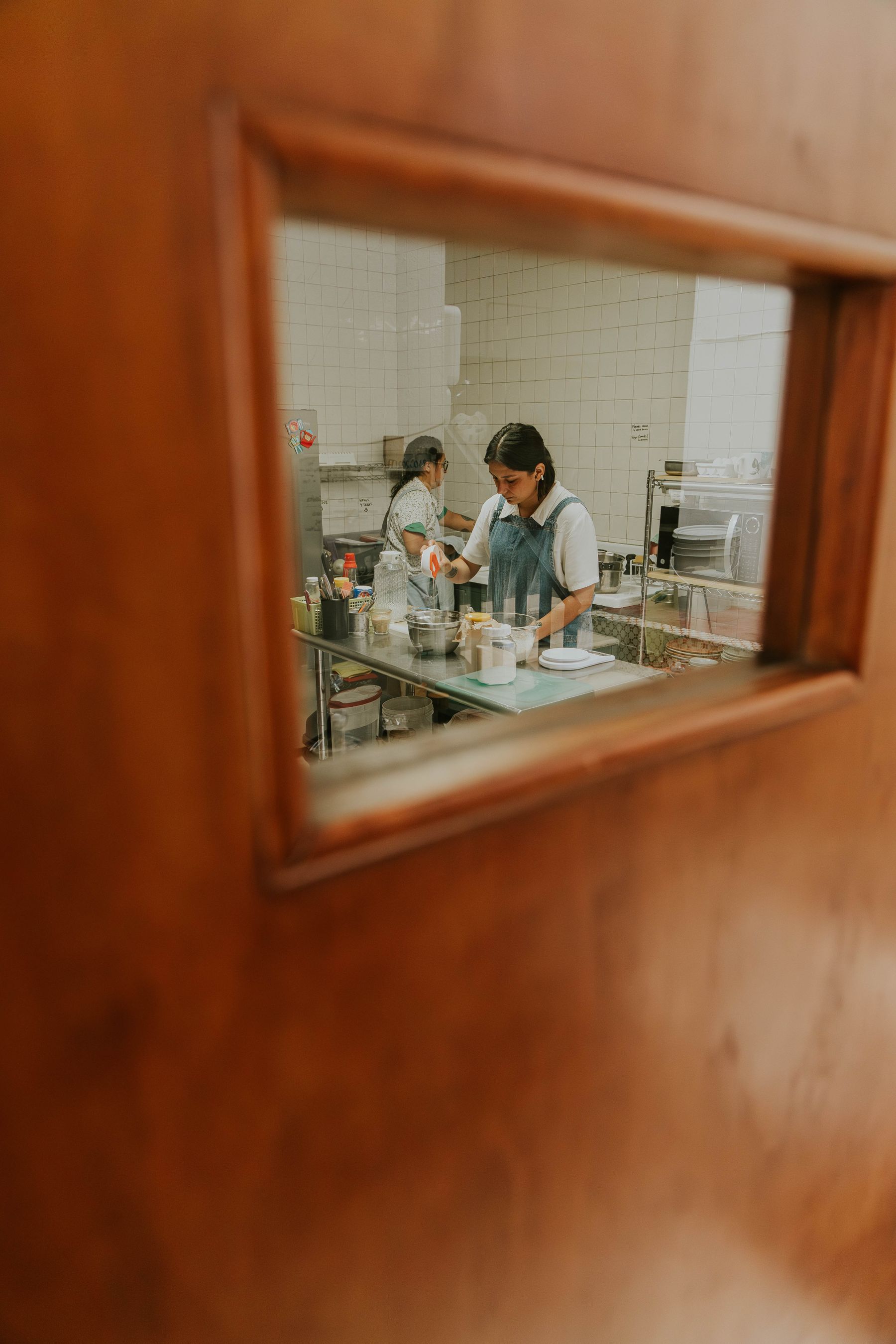
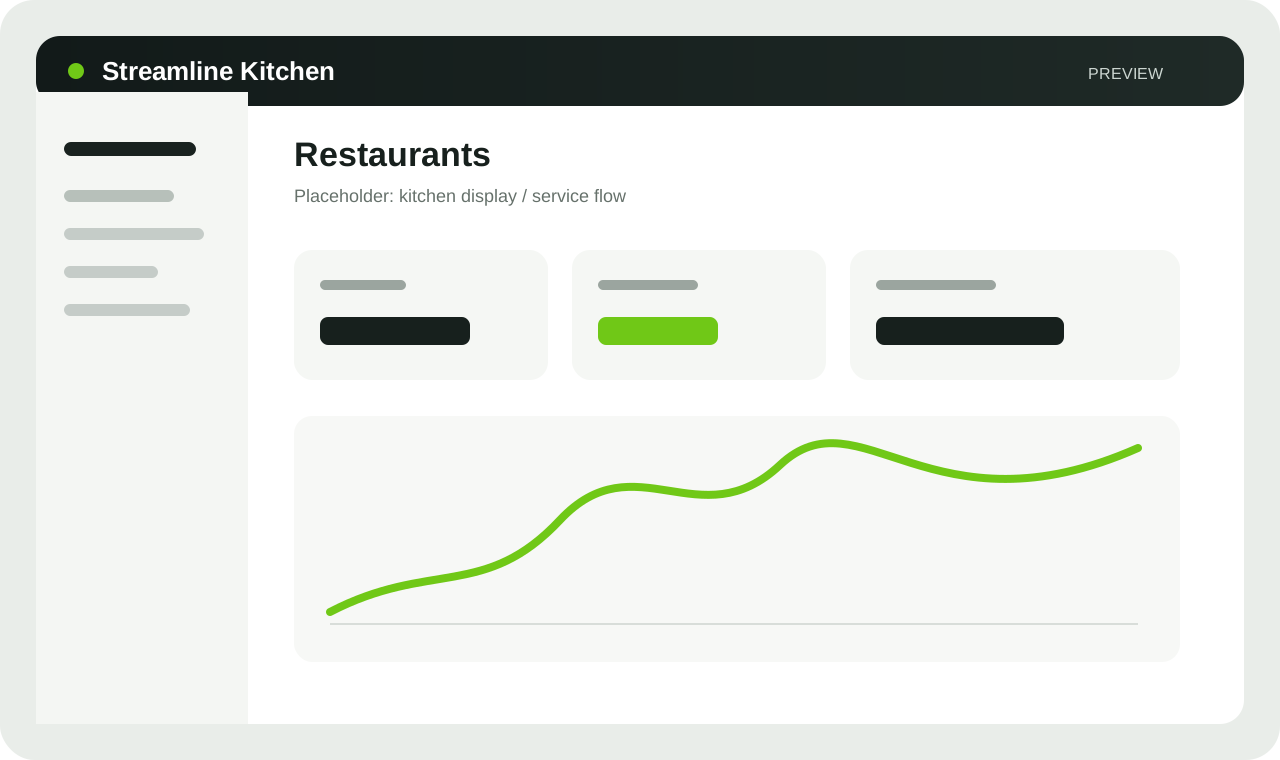
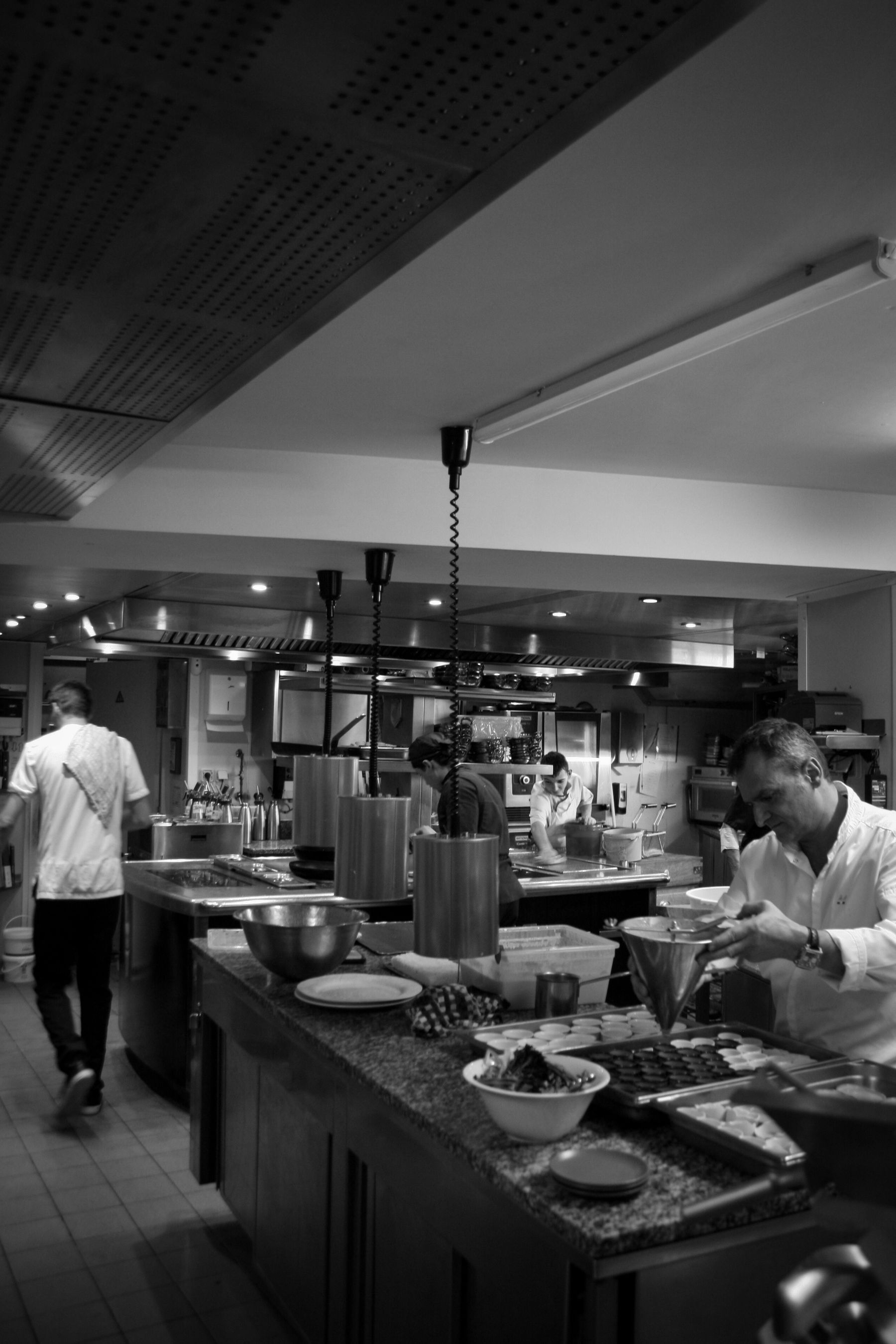
Changes, notes, and timing information stay visible where preparation actually happens.
The kitchen can stay coordinated without every person staring at the same overloaded queue.
Completion states help the pass and front of house understand what can move and what still needs attention.
Capture what the guest asked for without forcing the server to translate it again later.
Priorities, modifiers, timing, and station responsibility should be obvious at a glance.
The final handoff should be a state in the system, not a shouted question across the line.
A kitchen display is useful only if the cook can understand it faster than the printer ticket it replaced.
That is the design standard: faster comprehension under pressure.